When it comes to preserving and protecting priceless treasures in museums and galleries, one often overlooked yet essential tool is the humble dust cover. Dust covers play a crucial role in safeguarding valuable artifacts, artwork, and exhibits from the harmful effects of dust, debris, and other environmental factors. In this article, we will explore the importance of dust covers in museums and galleries, highlighting their key benefits and the impact they have on the preservation of priceless treasures.
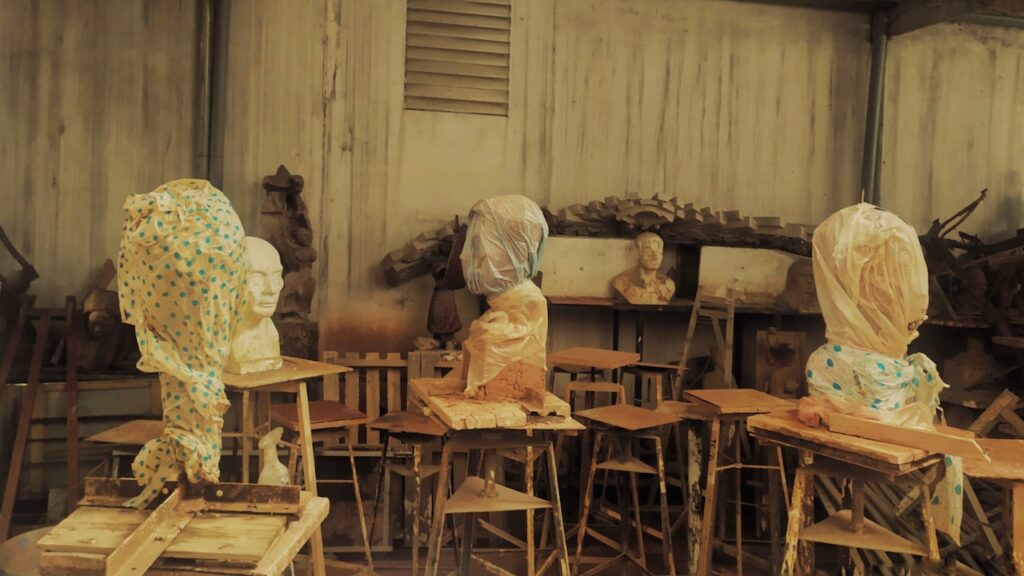
Dust Prevention
Dust is a persistent and pervasive enemy of delicate artifacts and artworks. It contains microscopic particles that can settle on surfaces and cause damage over time. Dust covers act as a barrier, preventing dust from settling directly on objects and reducing the need for frequent cleaning. By minimizing dust accumulation, these covers help preserve the integrity and aesthetic appeal of the treasures on display.
Protection from Environmental Factors
Museums and galleries are subject to various environmental factors that can adversely affect the condition of artifacts. Temperature and humidity fluctuations, UV radiation from lighting, and air pollution can all contribute to the deterioration of delicate materials. Dust covers provide an additional layer of protection against these factors, shielding objects from rapid temperature changes, excessive light exposure, and airborne pollutants.
Reducing the Risk of Physical Damage
In busy exhibition spaces, accidental bumps, scratches, or spills are a constant concern. Dust covers offer a protective shield, minimizing the risk of physical damage caused by contact with visitors, staff, or other objects. The covers act as a buffer, reducing the impact of accidental collisions and providing an extra layer of defense against potential accidents.
Preservation of Fragile Materials
Many artifacts and artworks are composed of fragile materials that require specialized care. Dust covers help preserve these materials by reducing their exposure to detrimental elements. For example, textiles and paintings can be susceptible to fading and degradation when exposed to excessive light. By using dust covers, museums and galleries can control light exposure, prolonging the lifespan and vibrancy of these fragile pieces.
Cost-Effective Preservation
Preserving and restoring damaged artifacts can be an expensive and time-consuming process. Dust covers offer a cost-effective solution by preventing damage before it occurs. Regular cleaning and maintenance of dust covers are relatively simple tasks compared to the extensive conservation efforts that would be required to repair or restore damaged objects.
Enhanced Visitor Experience
The presence of dust covers in museums and galleries not only protects the artifacts but also contributes to an enhanced visitor experience. Visitors can fully appreciate the beauty and details of the objects on display without distracting blemishes caused by dust or damage. Dust covers create a sense of professionalism and care, instilling confidence in visitors that the treasures they are viewing are well-preserved and valued.
Customizability and Adaptability
Dust covers can be tailored to the specific needs of each artifact or artwork. They can be custom-made to fit objects of various shapes, sizes, and materials, ensuring optimal protection. Different materials and designs can be chosen based on the sensitivity of the object and the desired level of visibility. Dust covers can be easily modified or replaced as needed, making them adaptable to changing conservation requirements.
Dust covers play a vital role in museums and galleries by providing essential protection for priceless treasures. They prevent dust accumulation, shield objects from environmental factors, minimize the risk of physical damage, and preserve fragile materials. Not only do dust covers contribute to the long-term preservation of artifacts, but they also enhance the visitor experience by ensuring that the treasures are displayed in their best possible condition. By recognizing the importance of dust covers and incorporating them into their preservation strategies, museums and galleries can safeguard their priceless collections for future generations to appreciate and enjoy.
